
Table of Contents
As some of you know we’re big fans of a self-drive holiday. We go to a fairly rural part of France and it means we have the car to be able to get about and have plenty of freedom while we’re there. This is the style of holiday I went on as a child and a teenager so I think I’m pretty good at what you need to take and how to make it as stress-free as possible. We’re not going again until 2022 but that all that means is I have longer to plan my socks off and make sure we’re as organised as we can be.
Plan Your Route
For route planning I’ve been using ViaMichelin and it’s been great as we get a full route map but also a note of how much the tolls will cost. Toll roads are normal thing in France but make sure you’ve got a selection of low notes and some euro coins as well as bank cards for paying the tolls as it can be different in every place what is preferred. A lot of UK cards don’t work on the machines either which is why having close to the right money is important.
Snacks/Drinks
I like to know we’ve always got snacks in the car as it’s a good 8 hours from getting off the EuroTunnel at Calais to our destination in the Lot. Frequent stops aren’t conducive to driving long distances so snacks and drinks are a must. It’s often very hot so avoid chocolate but take lots of water so you stay hydrated in the heat.
Choose your Channel crossing
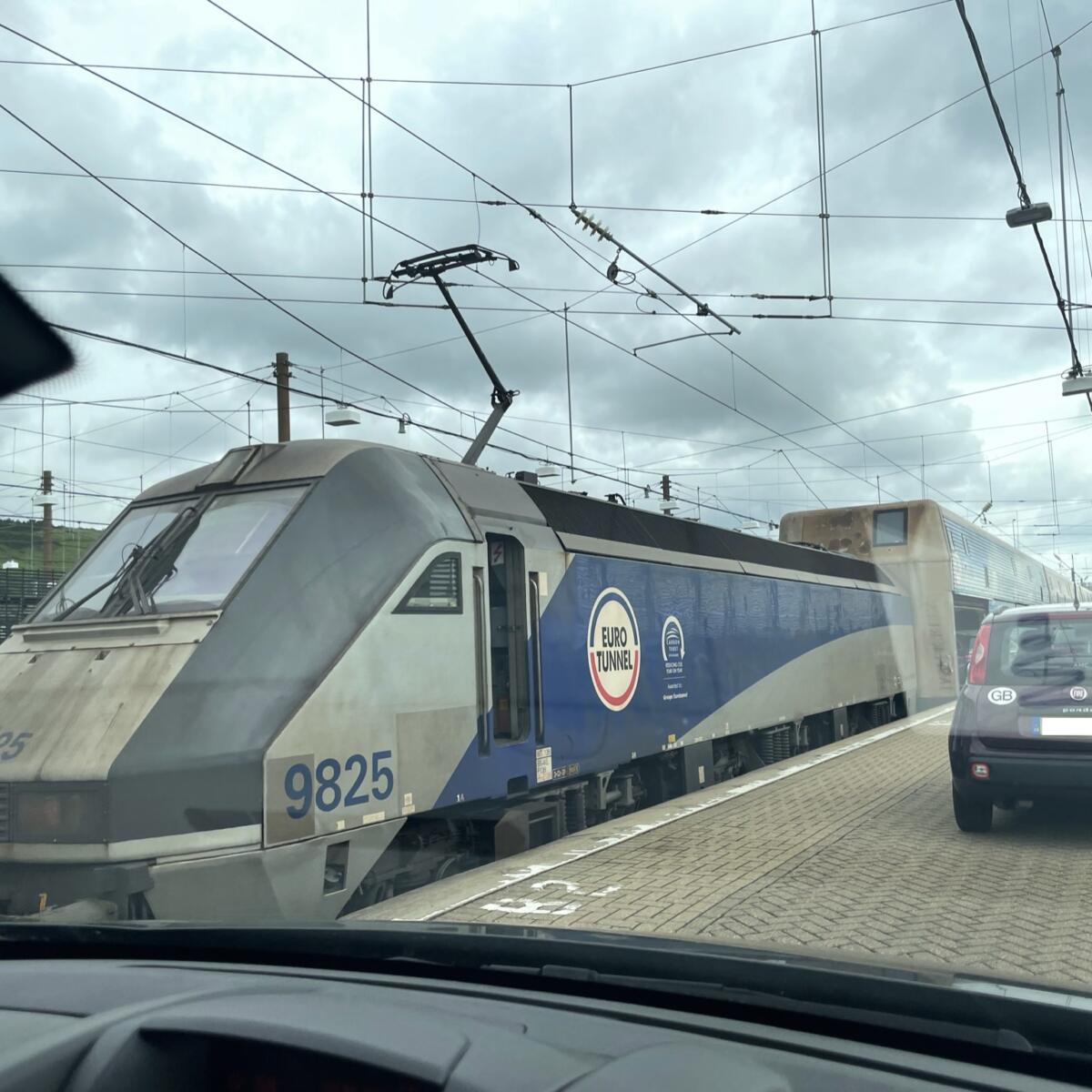
We’ve done ferry and the tunnel in the past and although the ferry can be a lot cheaper the Eurotunnel will always win for us for convenience. The crossing is just over half an hour and although you need to be there early for passport and border checks it’s just a much faster experience all round. The terminals are in a better location for the main motorways on both sides of the Channel and we’ve also been known to turn up early and get a different crossing. This is never guaranteed but it’s a nice bonus if it happens.
Map in the car
A full atlas in the car is always a good idea. Guaranteed you won’t have a phone signal when you need a map and there’s a random road diversion. Trust me on this one. It really helps for keeping whoever is in the passneger deat occupied too. I like to have our printed route plus the atlas available in case I need it or so that I can adjust the route at the last minute if necessary.
Car Kit
Check the RAC website for what you need for each country you’ll be in, although I think they’re fairly similar. These are legal requirements so always worth making sure you have everything. It’s things like a warning triangle, spare bulbs and breathalysers but it’s a long list so i won’t put it all here. you can buy it as a kit from places like Halfords which is what we’ve done & just replace the bits we need to. Tip: try places like screwfix for cheap hi-vis vests for in the car. You also need your V5, insurance documents and a green card to prove you own your car, it’s insured for use in Europe. We also make sure we have Europe breakdown cover as you never know when you might need it.
Take regular breaks
This may seem obvious but never drive tired and stop if you need a break. The advice is every 2 hours but we generally do longer depending on how we’re doing and if we need a walk and a stretch etc. This is a good opportunity to check your route and make sure you’re prepped for any toll booths if necessary.
Don’t take all your holiday cash in cash
When travelling by car it’s wise to not take all your holiday money as cash. If your car is broken into it may not be covered by travel or car insurance so I’d do some research on the best way to take your euros. If you want help with this email me or message me and I’ll give you my honest opinion but I don’t want to put too many FX opinions here. We take a mix of cash and card and this is either a pre-paid debit card or one of our bank cards. I’ve used my Monzo card abroad before and the transaction is processed at Mastercard’s rate which is approx. 1% off the spot rate and one of the highest you’ll find. Starling also give you the option to open a Euro account which you can transfer money into and then spend in euros when you’re abroad. Both have their benefits and drawbacks so it’s worth doing your research and drawing your own conclusions.
Pre-book any overnight stops
If you know that you’ll need to break up your journey into more manageable chunks I highly suggest making sure those stops are pre-booked. Not only does it mean you know you’ve got it organised but you’ll also be able to aim for that particular destination. This is really helpful when doing a long journey as you know that’s your stop for the night and you’ll be starting again the next day. We do this by making Ashford our base for each journey as it’s close to the Eurotunnel terminal at Folkestone. It also makes the journeys about 8 hours each and easier to do. The hotel we use is right by the motorway and it just makes things a lot easier.


